How Much Does a Car Battery Replacement Cost?
The cost of a car battery replacement can vary dramatically depending on what battery you’re looking for. The type of battery, its brand and your own vehicle all have an impact on the price you’ll pay to replace it. As a generalisation, there are four types of battery found in a car. These are:
- Lead-Acid – Typically found in older or lower-end vehicles
- Calcium – Typically found in mid-range and modern vehicles
- Silver-Calcium – Typically found in more premium brand vehicles
- Absorbent Glass Mat (AGM) – Typically used for high-spec and luxury brands, as well as in start-stop systems
| Battery Type | Expected Cost Range |
| Lead-Acid | £40-£120 |
| Calcium | £55-£140 |
| Silver-Calcium | £70-£200 |
| AGM | £120-£250+ |
Battery Price Versus Fitted Price
The cost of a battery on its own will always be lower than the cost of getting one fitted, as you are paying for the labour and also the recycling of your old battery. It’s hard to give a simple answer to fit with all batteries, but as a general rule you can add around £30-£50 to the cost of the battery itself if you want it fitted.
What a Typical Quote Covers
When you get a quote for a new car battery, you’re usually quoted for the works as well as the battery itself. This isn’t just the installation, but also the removal and recycling of your old unit, as well as any potential electrical setting resets or coding that is required once the new battery is in place.
Cost by Battery Type
Standard Lead Acid
A standard lead acid battery, found primarily in older cars without stop-start technology, is likely to set you back between £40-£120 for the battery itself. To have it fitted, this can rise to around £80-£160.
EFB Batteries
Enhanced Flood Batteries (EFB) are often found in cars with basic stop-start technology, meaning they require a little bit more durability than a standard lead acid battery. The battery itself will likely cost around £100-£160, with the fitted cost possibly reaching up to £200.
AGM Batteries
Absorbant Glass Mat batteries are mostly found in higher-specification vehicles that have larger electronics and feature regenerative braking technology, and as a result tend to start around £120 for the unit, with prices reaching as high as, if not higher than, £250. To get this fitted, you could be paying anywhere between £150 to over £300 depending on the specific car.
Lithium and Specialist Options
Lithium batteries aren’t just found in modern electric vehicles, with many high-performance cars, specialist motorsport-prepped vehicles and even heavy-duty off-road vehicles all having their own specific type of lithium battery. The specialist nature of these batteries means you should expect to be paying a premium. Starting prices for entry-level performance batteries sit at around £150 for the part alone, while off-road batteries can reach up to the £300-£450 range. The most premium options can set you back over £1000 for the battery before fitting costs are considered.
Cost by Car Make
Defining the cost of a battery by the car manufacturer isn’t a simple task, as there’s no basic catalogue that you can flick through until you find your specific car. To define the cost of a battery by manufacturer, it largely follows the same sort of price bands as the type of battery.
For the more entry-level brands, such as Dacia, Vauxhall or Citroen and cars of that type, can expect for a fully fitted battery replacement to sit around £120-£160. For the more mid-range brands such as Volkswagen, Audi and Nissan, this price rises to £140-£200, whereas the more premium brands such as BMW, Mercedes-Benz and Volvo can easily see prices north of £200.
Cost by Where You Buy and Fit
Fitting It Yourself
Fitting a replacement car battery yourself will, of course, reduce the spend involved as you completely remove all the associated labour costs. Depending on the type of battery you require, the cost will likely be somewhere between £60-£180.
Changing a car battery is, in relative terms, a fairly simple task and only needs some basic tools and knowledge on how to change. However, if opening the bonnet fills you with dread at the best of times, it’s probably best you leave it to the experts.
National Retailers and Autocentres
Some national retailers – places such as Halfords or KwikFit – will offer a battery replacement service. Halfords will fit a battery in store from £30, with prices rising up towards £50 for more complex batteries that require computer programming. This cost is on top of the cost of the part alone. KwikFit also offers a fitting service, but there is no flat fee and will be dependent on the specific car or battery.
Other places such as Euro Car Parts can sell you the parts, and offer a same-day click & collect service, but do not offer on-site fitting.
Independent Garages
Independent garages shouldn’t really cost much more than a national retailer, and will likely cost around £130-£180; about the same as you would expect to pay at a national high street retailer like Halfords or KwikFit. Most garages will likely charge around £30-£50 per hour for the labour, possibly rising towards £100 in more built up/city areas. With a battery replacement being a simple job, usually taking within an hour. As independent garages are not tied to a specific brand of battery like a main dealer, you can often undercut the cost associated with a main dealer because of this.
Main Dealers
If you’re getting a battery replacement from a main dealer, you can expect the average cost to rise to the £150-£350 region. This is because you’re paying the higher labour rates associated with main dealer work, paying for the manufacturer-specified battery and dealer warranties. As with all cases, prices can vary depending on the manufacturer’s specific prices, as well as the variation in model and battery type.
Mobile Fitting and Breakdown Call Outs
Using a mobile fitter or a breakdown callout to replace your battery will cost more, but you’re paying for the convenience. As a general rule it will cost you between £150-£300, with the RAC putting the average cost of a roadside battery replacement at £214. The overall cost, as it will wherever you get the replacement, will vary depending on make and model of your vehicle.
Battery Coding and Registration
Battery coding and registration is the act of telling your car that you have installed a brand new battery. This is mostly important on more modern vehicles, where a Battery Management System (BMS) tracks the age of the battery, how well it holds its charge and how much power it needs. The older a battery is, the more aggressively the car will charge it to account for the wear over time. Failing to carry out the battery coding and registration will mean that the car’s computer will continue to treat the battery as if it was old and worn out, potentially overcharging and shortening the lifespan.
- Registration is the simple act of resetting the battery’s age and health status in the computer memory back to zero. This informs the alternation and computer that you have a new unit.
- Coding is a more comprehensive activity that programs the exact specifications of the battery into the vehicle. This can include a manufacturer code, serial number and more detailed information like the battery’s capacity and what type of battery it is.
Working Out Which Battery Your Car Needs
To work out which battery your car needs, the information is readily available online simply by putting your vehicle’s registration number into a specific lookup tool. Simply visit a major retailer’s website such as Halfords or KwikFit, enter your registration number and you’ll be presented with the correct batteries for your vehicle.
You can also use the old fashioned “check the old unit” method. The old battery will have a sticker on it that shows your current battery’s dimensions, it’s Cold Cranking Amps (CCA) and Amp-hours (Ah) rating. Before using this as gospel, check your owner’s manual to ensure this was the right size in the first place. The owner’s manual will list the exact specifications you require.
What Makes One Quote Higher Than Another
The biggest influence in the quote for a replacement battery is the type of battery that you are requiring. Not all cars use the same type of battery, so the specific requirements for your car can have a big impact on how much you should expect to be quoted. A simpler, older car is likely to have a smaller quote, whereas a modern car with stop-start technology is going to fetch a higher price.
The quote will also change depending on how simple it is to access the battery itself during the replacement process. If it’s awkward and takes longer, you could pay more for the labour. The cost of the labour will also change depending on if you go to an independent garage or main manufacturer dealer. You can also wipe out the labour cost completely if you’re prepared to replace it yourself.
Signs Your Battery Needs Replacing
Signs that your battery is nearing the end of its lifespan are quite easy to spot.
- If your car struggles to start, particularly in cold weather, or is slow to turn over when it does get going, this suggests a reduction in power to the starter motor from the battery.
- Dim lights, both headlights and interior, are a common sign of low battery voltage.
- Misbehaving electronics can also signify battery problems, so if your windows are particularly slow to roll up or down, or lights begin flickering, you may need a new terminal.
- Constantly needing to jump-start is a sign of a flat battery failing to power the alternator and starter motor.
- Visible corrosion on the battery itself can cause electrical problems and may require a new battery to fix, although not always.
- Leaking or swollen battery is a sure sign that you need to get the battery checked as soon as possible. Leaking fluid can be incredibly dangerous and must be sorted immediately.
Recharging Instead of Replacing
A flat battery isn’t always the sign a replacement is due, and you can quite often get away with simply recharging it. If your battery has drained simply because the car has been sitting for a long time without use, or you’ve left your lights on overnight, then recharging it should be enough to get you back on the road. The same can be said if the car starts normally after it’s been given a jump-start.
If your car is going to be sitting for long periods unused, then it’s recommended to install a trickle charger, or disconnect the negative terminal, to prevent any slow drain while it’s not moving.
Hybrid and Electric Car Batteries
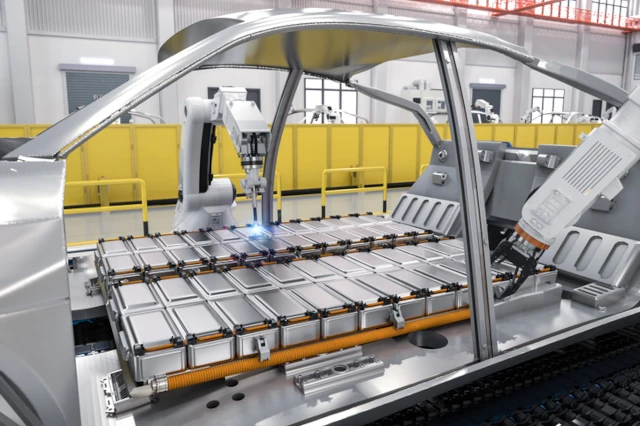
Hybrid and electric vehicles do still have the conventional 12V battery found in all internal combustion engine (ICE) vehicles. These power the car’s electrical systems, and a flat 12V battery does not necessarily mean there’s something wrong with the much more expensive high voltage batteries found in hybrids and EVs.
Hybrid vehicles feature a high-voltage hybrid battery that powers the electric motor and is recharged from regenerative braking (and external power in the case of plug-in hybrids). The high-voltage battery in fully electric cars are traction batteries that are made from lithium-ion cells and power the vehicle. You should never attempt to remove, repair or replace a lithium-ion battery yourself. This is a job for a trained professional.
The main distinction between the 12V and high-voltage batteries for hybrids and EVs is that while the 12V battery can cost between £80-£500 to replace, the high-voltage batteries will likely cost well into the thousands.
Warranties and Faulty Batteries
Every new car battery should come with a manufacturer warranty as standard, although the length and terms will be dependent on the brand and supplier in question. However, it is worth noting that not all instances will be covered by a warranty.
If the battery won’t hold a charge or has an internal/manufacturing defect, then this will likely be covered by a warranty claim. If the battery has been fitted incorrectly, has been damaged at all or has gone flat because you’ve left your lights on overnight, then this is unlikely to be covered by a warranty claim.
Typical Warranty Lengths
Typical warranty lengths for a new car battery tend to sit between three to five years, depending on the specific battery and the supplier you’re buying from. It’s worth remembering that a warranty is not a guarantee that the battery will last that long, and mostly covers manufacturing defects and not deterioration through misuse or repeatedly being discharged.
Pro Rata and Full Replacement Terms
A “pro-rata” warranty means that the amount the manufacturer or supplier is prepared to pay out in the event of an issue diminishes over time, and not just a complete replacement throughout the term period. For example, if you have a four-year pro rata warranty, the amount the supplier may be prepared to pay may drop by 25% each year. You should note that this is just an example created for representation, and you will need to check your specific terms to see what yours offers.
A full replacement warranty means that you are covered for a free replacement part at any point during the warranty period.
Rights Under the Consumer Rights Act
Under the Consumer Rights Act, you are entitled to receive goods “of satisfactory quality, fit for purpose and as described.” Any warranty you have from the manufacturer is an additional protection, and does not replace your statutory rights.
The law states that there is a 30-day period for short-term rights to reject a faulty product and receive a full refund. For anything past this date, up to six months, the Act states that the manufacturer or retailer must be able to show that this problem was not present when the part was sold. Failure to produce such evidence means that the trader must repair or replace the part.
Disposing of the Old Battery
Car batteries must never be disposed of in your regular household bin as they are deemed as hazardous waste by law due to the toxic lead and corrosive acid within them. You should take your old battery to your local recycling point, although some high street retailers such as Halfords and KwikFit offer a free recycling service. Before making the trip, you should check locally to be sure you can take your battery for recycling.
When you do transport it, you should wear heavy duty gloves to protect you from any potential burns. Remove the black negative cable first, and then the red positive cable. Inspect the casing for any damages – if you see heavy damage you must call a professional. Once removed, cover the terminals (tape will do) and keep the battery safely upright in a plastic bag or leak-proof tray and then take it to your nearest recycling point.
Making a Battery Last Longer
To make your car battery last longer, you should try to avoid frequent short trips if possible and take regular longer drives to give the alternator time to recharge the battery. A 15-20 minute trip on a motorway or dual carriageway should be enough to protect the unit.
You should also try to avoid using your headlights, radio, air conditioning and heated seats before you turn the engine on. All of these use your battery’s charge, and turning them off first will help reduce the strain put on during start-up. You should also double check interior lights and any aftermarket sat-navs or dashcams as these can cause “phantom” drains if left on while the car is stopped.
Keeping the Cost Down
When it comes to keeping the cost down for a new battery, we turned to our in-house expert Matt Clamp for his top tips:
“The first trick to keeping the cost down when buying a new battery is to shop around. Don’t just go to your nearest major retailer or garage and think you’re getting a great deal. Put your registration into an online checker and you’ll see all of the options available to you.”
Buying Online and Fitting Locally
Buying a battery online directly from a car parts specialist will usually be the cheapest option available, but remember this will not come with any fitting options. If you are confident under the bonnet then this may be the right choice for you, but remember if you try and get someone professionally to fit the battery you’ve bought separately, it may have been cheaper to just go to the garage in the first place.
Questions to Ask Before You Agree to a Quote
Before you agree to any quote for a new car battery, make sure you know exactly what service you’re getting. You should consider asking the following questions:
- Does the cost include fitting? Some quotes may simply be for the part itself, so it’s worth double checking the labour costs are factored in.
- What battery are you fitting and does it require registration or coding? Every car requires a different battery, so double check you’re definitely getting the right one for your car. You’ll also want to see if the registration or coding is including, if required.
- How long is the new battery’s guarantee? This lets you know what protection you have over the coming years, and whether or not it’s a full replacement or pro rata system.
- Will you test the charging system first? Not all battery issues require a replacement. Sometimes a charge and a health check is all that’s needed, rather than a potentially price replacement.
- Is VAT included in the price? This protects you from an unexpected increase when you’re presented with the final bill.
When Is a New Battery Not Worth Paying For?
Don’t immediately jump to buying a new battery as soon as yours is flat. Sometimes a battery simply needs a charge, and you may not need to be paying over £100 on a new unit if all you need is to recharge the one currently in your car.
You should also be absolutely sure that it’s not the battery causing the problems. If your car is relatively new, you should have the battery professionally tested after it is charged to see if the charging system is working. If it passes the test but continues to flatten, then you may be looking at other issues with the alternator and electrical systems that won’t be fixed by simply buying a new battery.
It’s also not going to be worth buying a new battery if your car is only worth around £500-£1,000. This is the point where a new battery enters into the “uneconomical to repair” realm, and you should consider whether replacing the battery is a simple fix, or if it’s just going to be one of many repair jobs on the horizon for your rapidly reducing-in-value car.
Scrapping a Car That Has a Good Battery
When scrapping a car that has a good battery, you should not assume that removing it can get you more money in the long run by selling it separately. While batteries are a valuable component for a car, it will have been considered during the quote process, whether being quoted for scrap or salvage. Removing the battery from the car before it is collected is likely to reduce your quote, and if you don’t tell anyone beforehand, will result in your figure being renegotiated when the car is collected.
Does the Battery Affect Scrap Value?
The battery does affect your car’s scrap value, but not in a sense that a battery that costs £150 when new adds £150 to your scrap quote. You must take into account the cost of testing, removal, handling, storage and potential recycling of the battery. When being sold as scrap, the battery will be removed safely and professionally as part of the depolluting process carried out by Authorised Treatment Facilities.
Removing Parts Before Collection
While you can remove parts before your car is collected for scrap, it is not recommended if you are looking to get the most as possible from a scrap vehicle. The government does state that you can remove parts from a car destined for scrap to be used on another vehicle you own, providing they are done so without causing environmental pollution – however it should also be noted that the government also states that an ATF can charge a fee if essential parts such as the engine, gearbox or wheels are removed prior to collection.
Telling DVLA and Handling the V5C
When you take a vehicle to an ATF for scrapping, you must give them your V5C logbook, but keep the yellow ‘sell, transfer or part-exchange your vehicle to the motor trade’ section. You must then tell the DVLA that the vehicle was taken to an ATF and, once it is scrapped, a Certificate of Destruction will be issued.
Rules Across England, Scotland, Wales and Northern Ireland
Car batteries are considered hazardous waste across England, Scotland, Wales and Northern Ireland. This means you should never put an old car battery into your household bin or any standard recycling container. Car batteries contain hazardous material, and as such must be recycled at an appropriate facility. Where these facilities are located will change depending on where in the UK you are, and which specific county you reside in. Check online with your local authority to see where your nearest centre is.
Vans and Other Vehicle Types
Vans
Most vans will use the same conventional 12V starter battery that can be found in most cars, however larger commercial vehicles will use 24V systems – simply two 12V batteries working together.
It is not uncommon to see van batteries having harder lives due to the frequent stops and short journeys that go hand-in-hand with delivery drivers. Some more specialist commercial vehicles also feature refrigeration units and power tools or other electrical accessories, which adds additional strain to batteries.
Buses, Coaches and heavy vehicles
Larger commercial vehicles such as buses, coaches and heavy goods vehicles will have two 12V batteries connected in series to create 24V worth of power. With double the power, the costs involved are also much higher than those found in a car. It also puts much greater importance on getting the correct specification of battery, and you must be sure you’re getting the correct voltage, Ah capacity and cold-cranking performance.
Motorhomes/Caravans
Motorhomes and caravans actually have two separate batteries: the traditional 12V starter and a ‘leisure battery’ that powers lights, televisions, fridges and so on. The traditional 12V starter battery is designed purely to start the engine and provide a quick burst of heavy power, while the leisure battery is designed for repeated charging and discharging. You should not use a starter battery to power any of the leisure applications.
Motorcycles
Motorcycles usually feature much smaller batteries than car ones, as they require less power to start the engine. However, as many bikes are used sporadically and when the weather allows, it is common for bike batteries to flatten during long periods of inactivity. It’s recommended to use a trickle charger or battery maintainer to prolong the unit’s life during long months of no movement.
More Information
- https://www.scrapcarcomparison.co.uk/blog/how-to-remove-and-recycle-a-car-battery/
- https://www.scrapcarcomparison.co.uk/blog/car-battery-scrap-price/
- https://www.scrapcarcomparison.co.uk/blog/car-batteries-explained/
- https://www.scrapcarcomparison.co.uk/blog/can-you-use-a-second-hand-battery-in-your-car/
FAQs
How long does a car battery last?
A car battery will typically last between three to five years, however this can vary depending on the type of battery, your personal driving habits and even the weather.
Can I change a car battery myself?
Yes, you can change a car battery yourself. It is a fairly simple process that only requires some basic tools. Make sure you get the right battery for your car, and follow the process as defined in your user’s manual. If you’re unsure, go to a professional.
How long does it take to change a car battery?
If you are charging your car using a typical mains charger, then it can take anywhere between two hours and an entire day. However, if you’re charging the battery while driving, then around half an hour should be enough to give the battery enough power to restart the engine. If the battery was dead, then a full recharge could take several hours of motorway driving. You can reduce the time needed by turning off the air conditioning, heater or headlights.
What drains a car battery when the car is not being used?
The most common cause of battery drain when a car is not in use is an electrical component left on, such as the leadlights or any interior lights (which can often happen when a door is not shut properly). Aftermarket items such as dashcams or satnavs can also drain battery charge when the car is not on.
Some older or weak batteries may also lose their ability to hold charge and can simply appear to drain away overnight.
Is it cheaper to buy a car battery online and get it fitted?
Buying a car battery online and fitting it yourself will almost always be the cheapest option as you are not paying for any labour costs. However, getting the part yourself and then paying someone else to fit it may end up costing you more than if you just went to a garage in the first place.
Can you jump-start a car with a completely flat battery?
Yes you can, either using a donor vehicle or a portable battery pack. Refer to your owner’s manual for instructions on how to safely jump-start your specific vehicle.