Scrap v Salvage
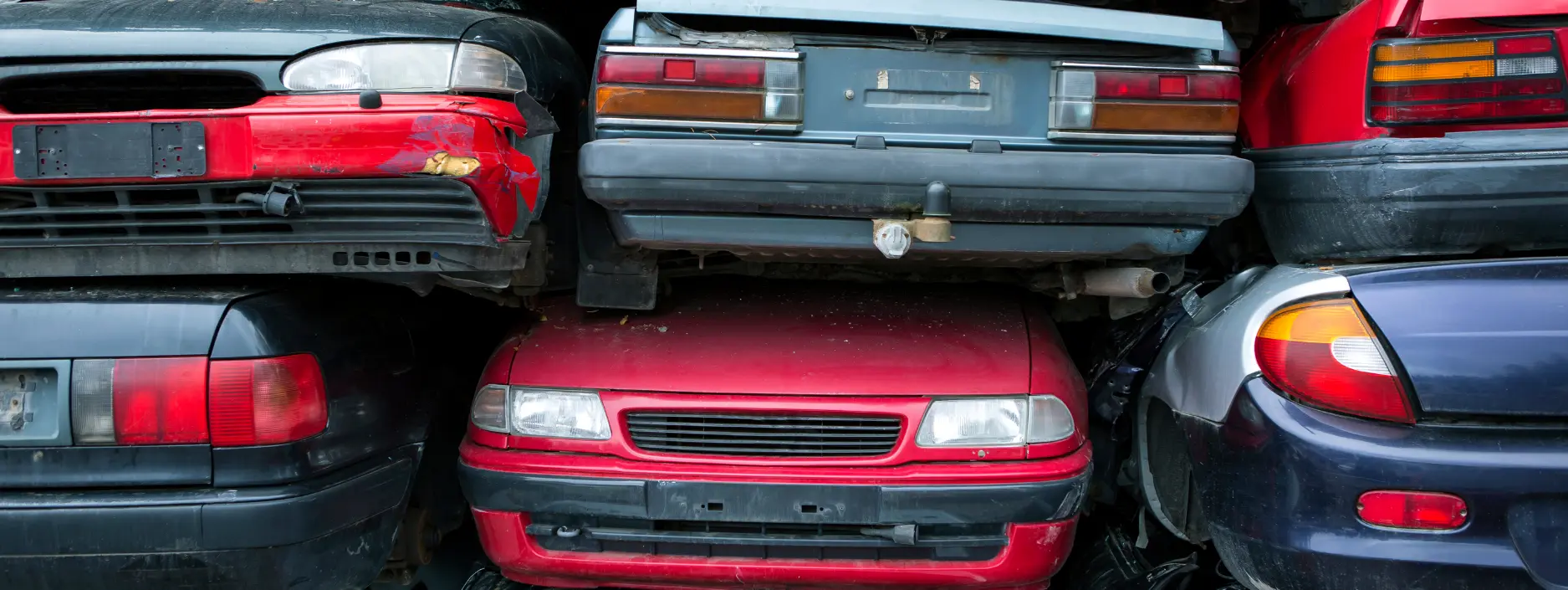
When you sell a car for scrap, it’s important to be absolutely certain that you’re actually selling it as scrap. If you’ve sold it as scrap, then the car should be dismantled and sent to the scrap pile, never to return to the road. However, in many cases you might actually find you’ve sold the car as salvage. While very similar when it comes to your own personal end result, it has a huge difference on what happens to the car itself.
Salvage cars will either be stripped of their reusable parts to help other ailing cars return to the road, or in some cases, may actually be repaired themselves and put back on the road. Make sure when you’re discussing the sale of your car in the first instance that you know exactly what is being discussed. Salvage vehicles, while still significantly lower in value than a car in full working order, are more often than not worth more than a scrap vehicle. If you are selling your car as scrap, make sure that this is made abundantly clear with your buyer, and that you get the necessary documents (namely a Certificate of Destruction) to confirm this.
Is it fraud if someone buys a car for scrap and resells?
Simply put, yes. When you sell a car as scrap, you are confirming with the buyer that they will be putting the car through the scrapping and recycling process. If you sold your car on the expectation it would be scrapped, then you will have more than likely accepted a lower offer on that basis. If it had actually been bought with the intention of being repaired and returned to the road, then there’s a strong chance you could have sold the car for considerably more. In any case, the buyer has committed a fraudulent act by not being honest in their intentions when buying your car.
You are covered by the Fraud Act 2006 if this has happened to you, not least because you have accepted a lower offer on the expectation of it being scrapped. Not only that, but when you sell a car to an Authorised Treatment Facility (ATF) as scrap, it is their duty to ensure it is scrapped correctly.
 For more information on the legalities of scrapping, or other rules you should be aware of, have a look at these.
 For more information on the legalities of scrapping, or other rules you should be aware of, have a look at these.
Safeguarding against fraudulent activities
So how do you avoid getting scammed when trying to sell a car as scrap? You’ll need to ensure you are selling your car to a genuine ATF. There are heavy penalties for not following the strict regulations surrounding scrap vehicles, and an ATF could lose its license if it was found to be engaging in fraudulent practices.
Before you engage in serious conversations with any scrapyard, make sure you check who you are selling to. Every ATF is listed on the Environmental Agency’s public register, so you can be sure that you are selling to a genuine buyer. Be vigilant, as unlicensed dealers posing as genuine ATFs (often with a relatively convincing presence on social media) is one of the most common (and easiest to fall for) scams in the market.
Throughout the process of dealing with the ATF, also ensure that you request a Certificate of Destruction (CoD) so you have proof that your car has been scrapped in accordance with the relevant rules and regulations. Only licensed ATFs are able to provide a CoD, so if your buyer tries to say you won’t need one, that’s a telltale sign of potentially fraudulent activity.
Finally, make sure you complete the relevant sections of the V5C when completing the transfer of the vehicle. While this won’t protect you from potentially being underpaid for a car you thought was to be scrapped, it will protect you from any future penalties if the car is returned to the road. Failure to inform the DVLA will mean the car remains under your name on its system, and any future fines for speeding, illegal parking or abandonment will land on your doorstep.
The easiest way to avoid any situation like this is to use Scrap Car Comparison. We deal with genuine ATFs that we trust and have a good relationship with. We’ll make sure every step of the way is carried out correctly and ensure you get every penny your car is worth with no stress or fuss on your side.
Signs your car might have been resold
If you haven’t received any paperwork, such as a Certificate of Destruction, following the sale of your car as scrap, then you could be looking at a situation where it has been sold on rather than scrapped. Again, this is where you’ll need to be certain your car was definitely sold as scrap, and not actually sold as a salvage vehicle. Salvage vehicles will not receive a CoD as they have not been scrapped.
If you receive any Fixed Penalty Notices (FPNs) for your vehicle despite you believing it to have been scrapped, then there is a very high likelihood it was not scrapped and has been resold instead. This could be particularly risky if you have unknowingly sold it to someone posing as an ATF. If they’re happy to obtain your car in a fraudulent and illegal manner, who knows what they’d use your car for once they’ve got it.
If you’re not sure, the best thing to do is to run your vehicle’s number plate through the DVLA’s checker to see whether it has indeed been scrapped, or if it’s still registered as being on-the-road.
What penalties for reselling
The penalties that ATFs face for not adhering to the rules of scrapping are harsh, but this is to ensure there is an adequate deterrent for engaging in such unethical practices. Not only can an ATF be fined up to £5,000, it can also have its licence revoked which will mean it can no longer legally scrap any cars full stop.
It is also in danger of having its local licence as a scrap metal merchant revoked by local authorities under the Scrap Metal Dealers Act 2013.
In short – there are a lot of reasons why an ATF wouldn’t want to try and pull the wool over your eyes, so if anything does seem out of line, you should be very wary.
What to do if your car has been resold
If you’ve checked the car’s plate on the DVLA database and found that your car is in fact still knocking around, despite you believing it had been sold as scrap, then there are a few steps you can take. These steps change slightly depending on where it is, as this will change who the responsibility lies with.
You should contact the ATF you sold the car to as soon as you suspect anything, and demand a copy of your Certificate of Destruction (if you haven’t received one). You must also report the situation to the DVLA.
If you sold your car as scrap, didn’t receive a CoD and have since seen it on the road, then you may also want to contact Trading Standards and possibly the police, as this would be a breach of the Fraud Act 2006.
Scrap a Car in Your Area
Scrapping an old car doesn’t have to be stressful. Scrap Car Comparison can get you a great price and quick, free collection. Get an instant quote now or browse our scrap locations.
Car Scrapping Knowledge Hub
Everything you needed to know about scrapping an old, written by the experts. Get step by step guidance to everything from payment, collection and paperwork.
Value your scrap car
Calculate the scrap value of your car. Get an instant price online and learn how to get the most value.
How to scrap a car
Find out the exact documents and paperwork you’ll need, how to scrap a car and how to get the best price.
Scrap without a log book
Why is the V5C log book so useful when scrapping your car? And can you still scrap a vehicle if you don’t have one? Find out with this guide.
DVLA scrapped car
How to notify the DVLA when you scrap your car – plus everything else you mustn’t forget! Here’s our simple online guide.